
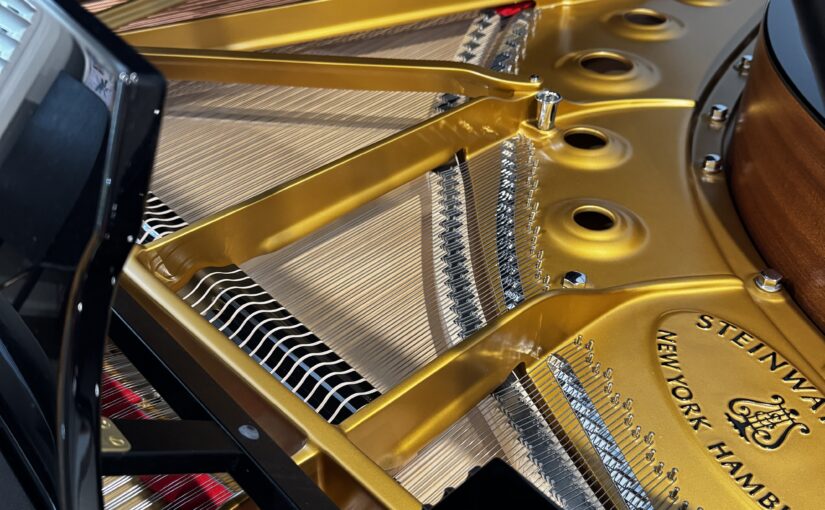
When Should You Tune a Piano After Moving?
When Should You Tune a Piano After Moving?
JM & SONS Piano Movers is one of the most common questions we hear:
“Should I have my piano tuned on the same day it’s moved?”
The answer is generally no.
Professional piano movers and piano tuners usually recommend waiting around two to three weeks before tuning your piano after a move. This allows the instrument time to adjust to its new environment.
Why Should You Wait?
A piano isn’t just made of steel strings.
It is largely constructed from natural materials including:
- A solid timber soundboard
- A laminated timber pinblock
- A wooden action
- Felt hammers
- Felt bushings
- Leather components
- Timber keys and action parts
These materials naturally absorb and release moisture from the surrounding air.
As the humidity changes, the timber expands and contracts. The soundboard in particular plays a major role in changing the tension on the strings, which affects the piano’s tuning.
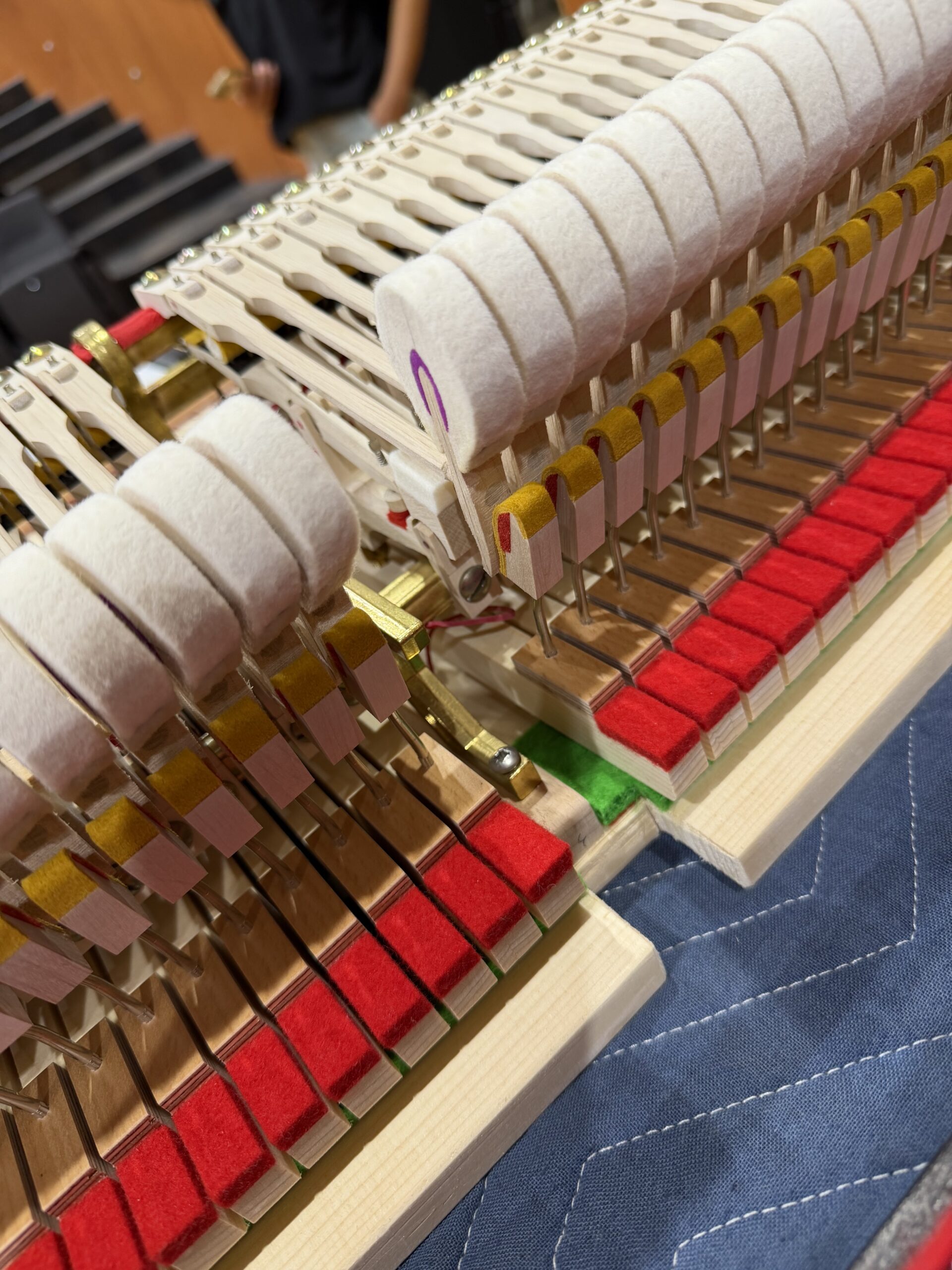
The piano action contains hundreds of precision timber and felt components that also adjust to changes in the environment.
Your New Home Is Different
Even moving a piano only a few kilometres can expose it to a completely different environment.
For example:
- A home with ducted heating
- Reverse-cycle air conditioning
- Open fireplaces
- Large north-facing windows
- Under-floor heating
- Coastal humidity
- Dry inland conditions
All of these influence the temperature and moisture levels around the piano.
Let the Piano Settle
Once your piano reaches its new home, it needs time to reach equilibrium with its surroundings.
During the first couple of weeks, the timber and felt components gradually adjust to the new temperature and humidity.
If you tune the piano immediately after moving, it may drift noticeably out of tune again as it settles.
Waiting a short period usually results in a more stable and longer-lasting tuning.
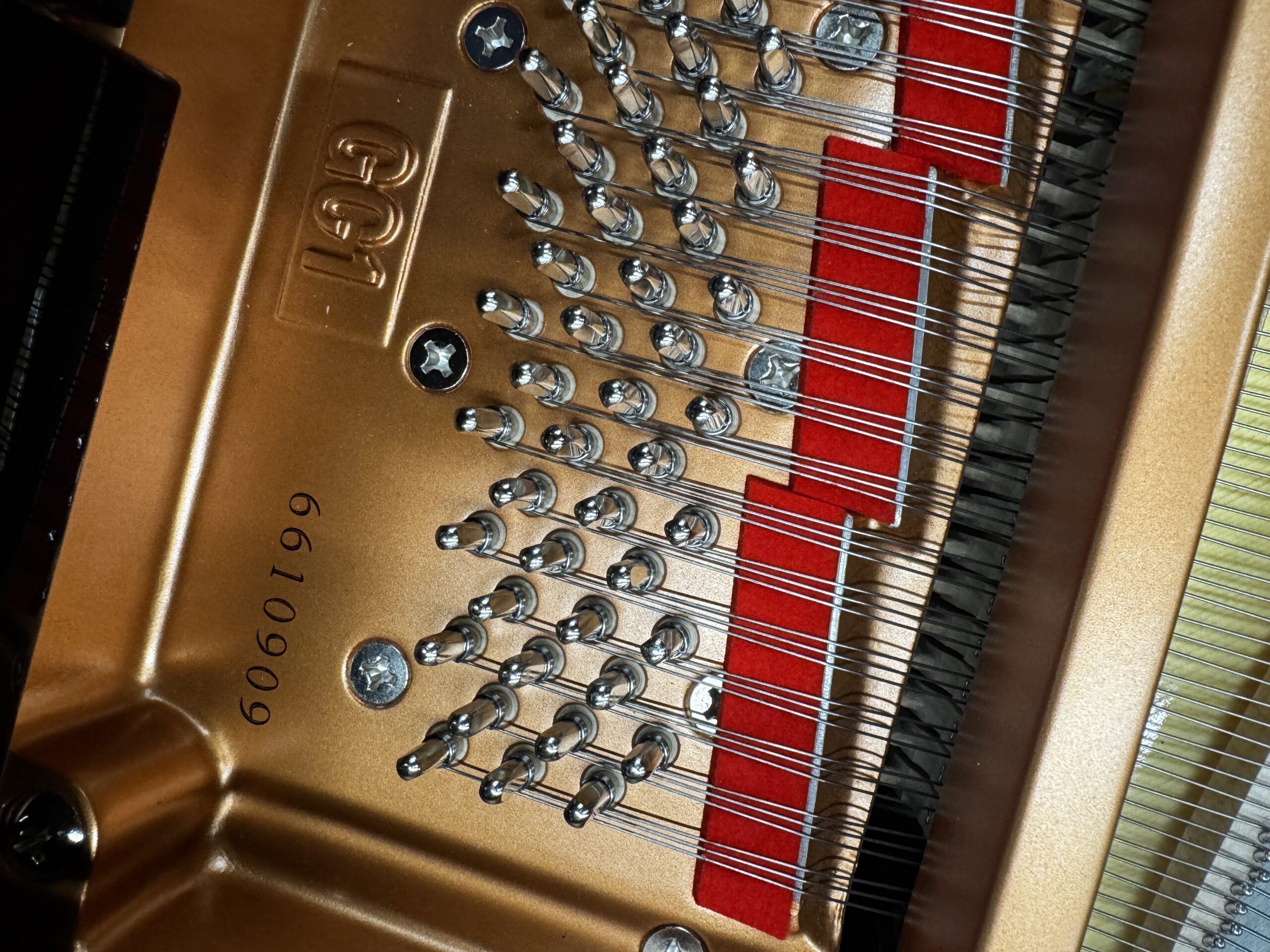
The tension of every piano string is influenced by tiny movements within the timber soundboard.
Where Should a Piano Be Positioned?
For the best long-term stability, place your piano:
✔ Away from direct sunlight
✔ Away from heaters
✔ Away from fireplaces
✔ Away from cooling vents
✔ Away from exterior doors that are frequently opened
✔ Against an internal wall where practical
A room with a relatively steady temperature and humidity provides the best environment for your piano.
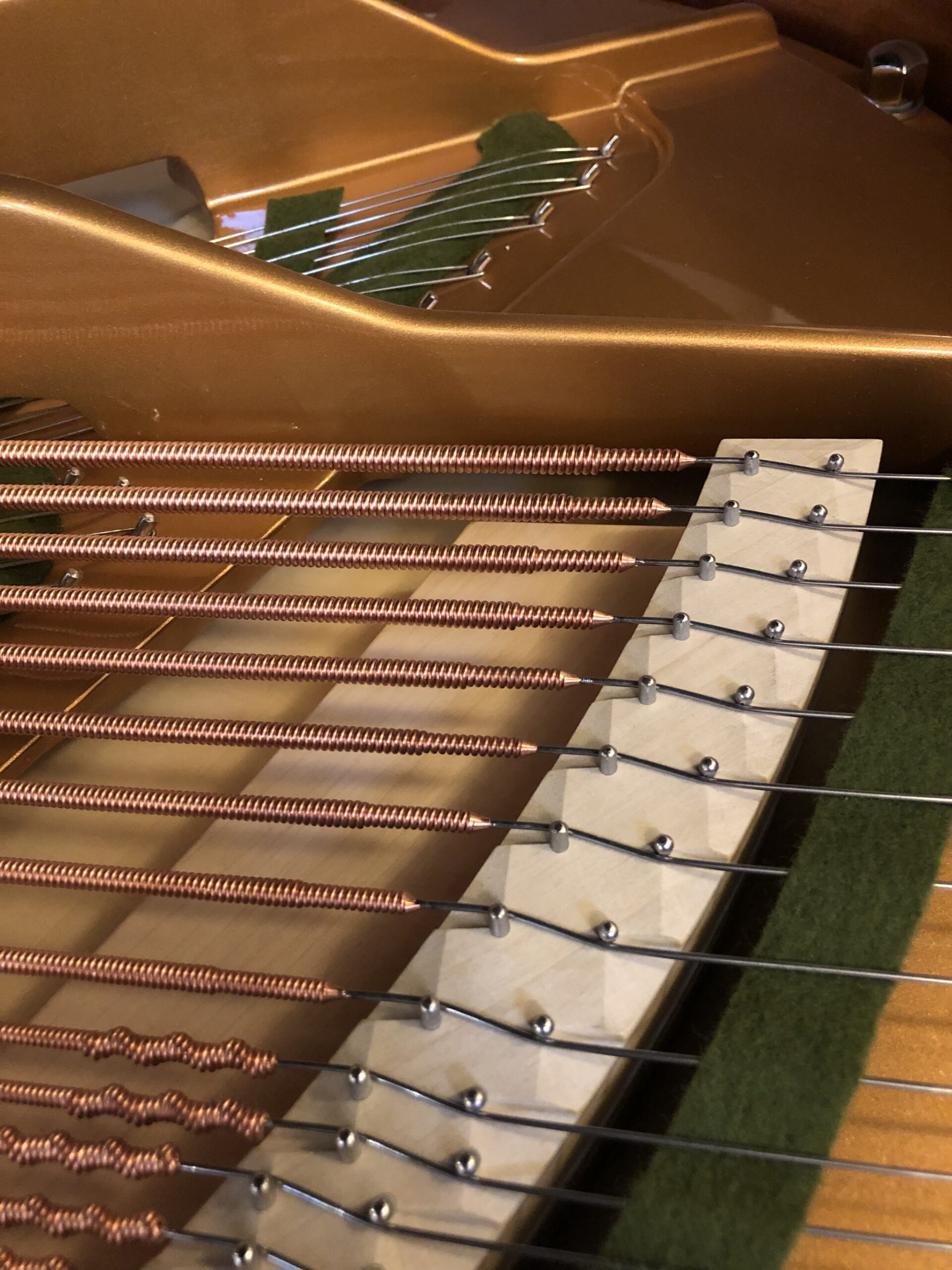
Even the heavy bass strings are affected as the timber soundboard expands and contracts with seasonal humidity changes.
Our Recommendation
At JM & SONS Piano Movers, we generally recommend allowing your piano to settle for approximately two to three weeks before arranging a professional tuning.
Every piano and every home is different, but giving the instrument time to acclimatise helps achieve a more stable result.
Frequently Asked Questions
Can I tune it straight away?
You can, but in most situations it’s better to wait until the piano has settled into its new environment.
Will moving damage the tuning?
Moving itself isn’t usually the cause. Changes in humidity and temperature after the move are what most commonly affect the tuning.
What if the piano was only moved within the same house?
If it’s staying in the same room or a very similar environment, it may need very little adjustment. If it’s moved to a different level of the house, a room with more sun, or near heating or cooling, allowing it time to settle is still a good idea.
Related Articles
Preparing Your Home Before Piano Movers Arrive
How to Move a Piano Across a Gravel Driveway
Can You Move a Piano Upstairs?
When Should You Tune a Piano After Moving?
Contact Us
Once your piano has settled into its new environment, we recommend arranging a professional piano tuner to achieve the most stable and accurate tuning. If you’re planning a piano move, contact JM & SONS Piano Movers for expert advice and a free quote.
Contact JM & SONS Piano Movers today for a free quote.
JM & Sons Piano Removals
Phone: 0421 085 335
Email: info@jmremovals.com.au
Website: www.jmremovals.com.au