
How to Move a Digital Grand Piano Safely
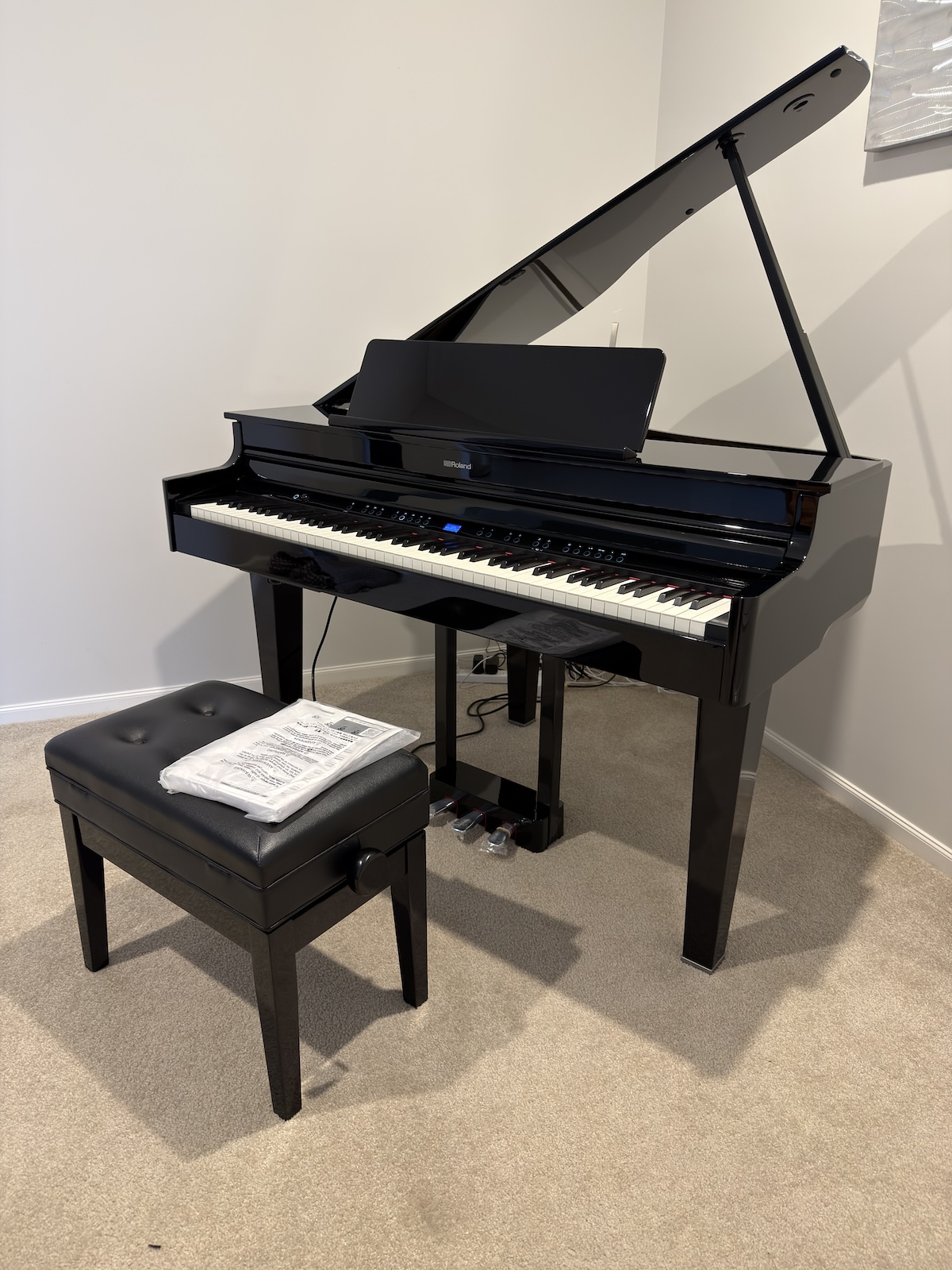
Digital grand pianos combine the appearance and playing position of a traditional grand piano with modern electronic components. Although they do not contain the full cast-iron frame and string assembly of an acoustic grand, they can still be large, heavy and difficult to handle safely.
A digital grand piano should not be treated as ordinary furniture. Its polished cabinet, keyboard, pedal system, speakers, wiring and electronic components all require careful protection during moving and transport.
JM & SONS Piano Movers provides specialist digital piano moving services throughout Melbourne, including the relocation and delivery of digital grand, upright digital and hybrid pianos.
Need advice about an upcoming digital piano move? Contact JM & SONS Piano Movers and we’ll be happy to assist.
Are Digital Grand Pianos Difficult to Move?
A digital grand piano may be lighter than a comparable acoustic grand piano, but that does not necessarily make it simple to move.
Digital grand pianos can still present several challenges:
- large and awkward cabinet dimensions;
- concentrated weight through the legs and base;
- delicate high-gloss finishes;
- integrated pedal assemblies;
- internal speakers and electronic components;
- narrow household doorways;
- tight hallway turns;
- steps, lifts and apartment access;
- limited handholds for safe lifting.
The piano’s shape may also make it difficult to keep level and controlled when passing through a doorway or turning into a room.
Because digital grand pianos vary considerably between makes and models, the correct moving method should be assessed before the move begins.
Is a Digital Piano the Same as an Acoustic Piano to Move?
No. Digital and acoustic pianos have different internal construction, but both require specialist handling.
An acoustic piano contains strings, action components, a soundboard and a heavy cast-iron frame. A digital piano replaces much of this acoustic structure with electronics, speakers and amplification systems.
However, a digital piano can still be damaged through:
- sudden impacts;
- twisting or flexing of the cabinet;
- pressure against the keyboard or controls;
- incorrect lifting points;
- moisture exposure;
- vibration during transport;
- unsuitable securing inside the truck.
The fact that a piano is digital does not mean it can simply be tipped, dragged or carried like a cabinet.
Preparing a Digital Grand Piano for Moving
Before handling begins, the piano and access should be assessed carefully.
JM & SONS considers:
- the make and model of the piano;
- overall dimensions;
- approximate weight;
- whether any components are removable;
- the number and arrangement of legs;
- the pedal assembly;
- doorway widths;
- steps and level changes;
- turning space;
- floor surfaces;
- parking and truck access.
Where necessary, photographs of the piano and the complete access route should be supplied before moving day.
Disconnecting Cables and Accessories
Before the piano is moved, all power leads and external cables should be disconnected.
This can include:
- power cables;
- headphones;
- audio leads;
- USB cables;
- sustain or pedal connections;
- external speakers;
- music devices;
- tablets or recording equipment.
Cables should be labelled and stored separately so they do not become caught beneath the piano or damaged during the move.
Any loose accessories, sheet music, lamps or objects placed on the piano should also be removed.
Do not pull a digital piano away from the wall by its keyboard or control panel.
Protecting the Keyboard and Controls
The keyboard, control panel and display screen are among the most vulnerable parts of a digital piano.
Before moving:
- the keyboard cover should be closed where fitted;
- control panels should be protected from impact;
- no straps should press directly against keys or switches;
- loose music rests should be removed if appropriate;
- the power cord should be disconnected and secured separately.
Protective wrapping should cover the cabinet without placing excessive pressure on delicate controls.
Protecting the Piano’s Finish
Many digital grand pianos have polished black or high-gloss finishes that can mark easily.
Care must be taken to prevent:
- scratches;
- fingerprints;
- rubbing from straps;
- damage from door frames;
- contact with walls;
- pressure from other items inside the truck.
JM & SONS uses professional protective wraps and suitable moving equipment to protect both the piano and the surrounding property.
Blankets and wrapping must be secured carefully so they do not slip while the piano is being handled.
Can the Legs Be Removed?
Some digital grand pianos have removable legs, pedal assemblies or other components. Others are designed to remain substantially assembled.
Whether a piano should be partially dismantled depends on:
- its construction;
- manufacturer design;
- access restrictions;
- transport position;
- the experience of the moving team.
Components should never be removed without understanding how they support the cabinet and how electrical or pedal connections are arranged.
Incorrect dismantling can damage fittings, wiring, cabinet panels or mounting points.
Moving a Digital Grand Piano Through a House
The complete access route should be cleared before the movers arrive.
Please remove:
- furniture;
- boxes;
- loose rugs;
- floor lamps;
- pot plants;
- shoes;
- decorative objects;
- items from hallways and doorways.
Doors and gates should open fully, and pets and children should be kept away from the moving area.
Where the piano must pass over polished timber, tiles or other delicate flooring, the moving method should protect the floor as well as the instrument.
Steps, Stairs and Difficult Access
Even a single step can affect the equipment and handling method required.
Customers should advise JM & SONS about:
- front-door steps;
- garden steps;
- split-level rooms;
- internal staircases;
- narrow landings;
- tight turns;
- sloping paths;
- apartment lifts;
- loading bays.
Photographs should show the entire staircase or access area rather than only a close-up of one step.
Digital grand pianos can be particularly awkward on stairs because their width and cabinet shape may limit the available turning space.
Apartment and Lift Access
Digital grand pianos are popular in apartments because they do not require acoustic tuning and may offer volume control. However, apartment access still requires planning.
Before moving day, confirm:
- lift-door width;
- lift-cabin dimensions;
- lift weight restrictions;
- loading-bay availability;
- truck-height clearance;
- building-management approval;
- permitted moving times;
- protective lift-cover requirements.
It is important to measure both the piano and the complete access route.
A piano may fit inside the lift but still be unable to turn through the doorway or corridor outside it.
Parking and Truck Access
Suitable parking helps reduce the distance the piano must travel between the property and the moving truck.
Where possible, allow approximately two car spaces near the entrance.
Please:
- move cars from the driveway;
- check parking restrictions;
- arrange loading access if required;
- keep bins and trailers out of the way;
- advise neighbours if a shared driveway may be affected briefly.
A shorter and clearer route generally allows the piano to be handled more safely and efficiently.
Transporting a Digital Piano Safely
During transport, the piano must be protected from movement, impact and vibration.
The instrument should be:
- professionally wrapped;
- positioned securely;
- restrained without pressure on delicate components;
- protected from other items in the truck;
- kept dry;
- handled by an experienced team.
Digital pianos should not be placed loose inside a furniture truck or transported without suitable protection.
Reconnecting the Piano After Delivery
Once the piano has been placed in its final position:
- allow access to the power point;
- reconnect only the correct cables;
- check that cables are not trapped beneath the piano;
- ensure the piano stands firmly and evenly;
- refit any removed music rests or accessories;
- test the power, keyboard, pedals and speakers.
Unlike an acoustic piano, a digital piano does not require tuning after a move.
However, it should still be allowed to reach the room’s normal temperature before being switched on if it has been transported through very cold, hot or damp conditions.
Where Should a Digital Piano Be Positioned?
Choose the final position before the delivery team arrives.
Avoid placing the piano:
- directly beside a heater;
- against a damp wall;
- in strong direct sunlight;
- beneath an air-conditioning outlet;
- in an area exposed to rain or moisture;
- where the power lead creates a trip hazard;
- in a narrow traffic pathway.
Although digital pianos are less affected by humidity than acoustic pianos, their cabinetry and electronics still benefit from a stable, dry indoor environment.
Digital Pianos in Schools and Teaching Studios
Digital pianos are widely used in:
- schools;
- music studios;
- rehearsal rooms;
- churches;
- theatres;
- function venues;
- private teaching spaces.
Moving them within these environments may require coordination with:
- school administration;
- facility managers;
- security staff;
- loading-bay supervisors;
- other contractors;
- event organisers.
Access should be booked and cleared before the moving team arrives.
Preparing for Your Digital Piano Move
Before moving day, confirm that:
- the piano is accessible;
- all cables and accessories are removed;
- hallways and doorways are clear;
- steps and access have been disclosed;
- suitable parking is available;
- pets and children are secured away from the work area;
- lift or loading-bay bookings are confirmed;
- the piano’s final position has been selected;
- someone is present to provide access.
For a complete preparation checklist, read our guide on how to prepare for your upcoming piano move.
Why Use Specialist Piano Movers?
Digital pianos may look less complicated than acoustic instruments, but they remain specialised musical equipment.
Using experienced piano movers helps protect:
- the keyboard;
- electronic controls;
- speakers;
- polished cabinetry;
- pedal systems;
- floors and doorways;
- the piano’s long-term operation.
General furniture-moving methods may not account for the piano’s balance, delicate controls or unusual cabinet design.
Why Choose JM & SONS Piano Movers?
- Family-owned and operated—no outside contractors.
- More than 40 years of specialist piano-moving experience.
- Experienced with digital, upright, grand and hybrid pianos.
- Specialist piano-moving equipment and protective materials.
- Experienced with stairs, apartments and difficult access.
- Video condition report completed before handling.
- Fully insured professional piano-moving service.
- Trusted by Steinway Australia, Yamaha Australia and Kawai Australia.
Request a Digital Piano Moving Quote
To request a quote, please provide:
- the piano make and model;
- photographs of the piano;
- pickup and delivery suburbs;
- photographs of all steps and access;
- details of lifts or loading bays;
- your preferred moving timeframe;
- any parking or building restrictions.
Call JM & SONS Piano Movers on 0421 085 335.
Family-owned and operated—no outside contractors or inexperienced movers.
Trusted by Steinway, Yamaha and Kawai Australia for a reason.
Related Articles
How to Prepare for Your Upcoming Piano Move
A practical checklist covering parking, access, steps, pathways, pets and apartment reuirements before moving day.
Can You Move a Piano Upstairs?
Learn how stair width, landings, turns and piano dimensions affect an upstairs piano move.
Concert and Event Piano Moving
Specialist piano deliveries for schools, venues, theatres, conferences and live performances.
JM & SONS Piano Movers
📞 0421 085 335
📧 info@jmremovals.com.au
🌐 www.jmremovals.com.au
Family-owned and operated – no outside contractors, no inexperienced movers.
Trusted by Steinway, Yamaha and Kawai Australia for a reason.